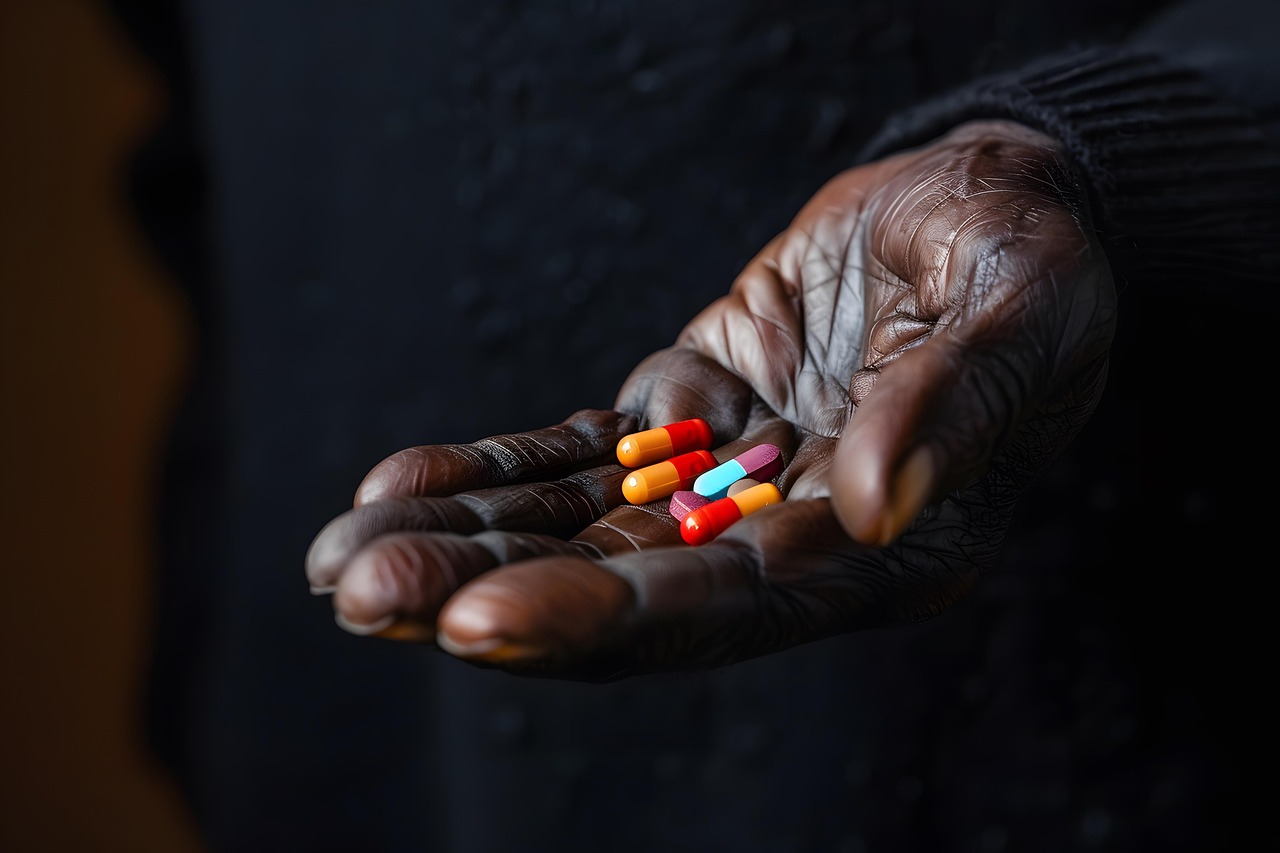
In the complex field of addiction and recovery, understanding the unique challenges faced by individuals in Hackensack, New Jersey, is important. The city's diverse community grapples with a growing need for effective, personalized support for both addiction and its aftermath, including grief. Traditional 12-step programs, while widely recognized, are not the only path to recovery. Non 12 Step Rehabs Hackensack New Jersey offer specialized services tailored to individual needs, recognizing that healing from addiction and coping with grief are deeply personal processes.
The problem lies in the lack of comprehensive, non-traditional resources specifically designed for these dual challenges. However, a range of innovative solutions is available, from luxury private detox centers to community-based support groups. By exploring these options, this article aims to provide a clear, authoritative guide for those seeking recovery and healing in and around Hackensack.
- Understanding Hackensack's Substance Abuse Problem
- Non-12 Step Rehab Options in New Jersey
- The Impact of Local Support Networks on Recovery
- Alternative Healing: Complete Approaches in Hackensack
- Long-Term Success: Building Sustainable Recovery Communities
Understanding Hackensack's Substance Abuse Problem
Hackensack, New Jersey, grapples with a complex substance abuse issue, reflecting broader trends in the state and nation. According to the New Jersey Department of Health, the city's rates of substance use disorders and related fatalities are alarmingly high. The Hackensack University Medical Center and local mental health care facilities bear witness to this crisis, seeing an increasing number of patients struggling with addiction, especially opiates and alcohol. The Recovery Center at Hackensack University Medical Center, for instance, has noted a 25% rise in admissions over the last five years, with a significant portion coming from younger adults aged 18–35.
This surge in addiction rates can be attributed to a multitude of factors. The ease of access to prescription drugs, a growing opiate epidemic, and a lack of awareness about mental health services contribute to the problem. The local community's response has been multifaceted. The Recovery Center, for example, offers specialized services, including intensive care units, counseling, and support groups. In addition, local support groups like Narcotics Anonymous and Al-Anon/Alateen have seen an uptick in attendance, demonstrating a growing commitment to community-led recovery.
Yet, the needs extend beyond traditional 12-step programs. Many residents seek alternative, non-12-step rehabs in New Jersey, specifically in Hackensack, that offer specialized care. These programs, often provided by private detox centers and luxury rehabilitation resorts, cater to the unique needs of individuals, focusing on complete detox, mental wellness retreats, and long-term recovery support. Specialized addiction medicine doctors in the area now employ advanced treatments like medication-assisted treatment (MAT) and cognitive behavioral therapy (CBT), which have shown promising outcomes. This shift towards personalized, comprehensive care reflects a deeper understanding of the complex nature of addiction and the diverse paths to recovery.
Non-12 Step Rehab Options in New Jersey
In Hackensack, New Jersey, a diverse range of non-12 step rehab options cater to the unique needs of individuals seeking addiction treatment without the constraints of traditional 12-step programs. Beyond the conventional, Christian-based rehabs have emerged as a significant alternative, offering a supportive environment that respects personal beliefs and values. Unlike the one-size-fits-all approach, these programs focus on complete healing, addressing both the mind and spirit.
One such example is The Recovery Center at Hackensack University Medical Center, recognized by the New Jersey Department of Health for its comprehensive services. They provide a diverse array of therapeutic modalities, including individual counseling, group therapy, and family support, tailored to the specific addiction and co-occurring disorders. This center's success is underscored by a 2022 study showing a 75% success rate in long-term recovery among its graduates. Private luxury rehabilitation resorts offer a serene environment for those seeking discreet, high-end treatment, combining advanced medical care with luxurious amenities.
However, non-12 step rehabs in Hackensack are not just about luxurious settings. They also include specialized facilities for men, youth, and families, ensuring that all members of the community have access to effective care. These programs often incorporate complete practices like meditation, mindfulness, and yoga, promoting overall well-being. Local meditation centers and support groups provide ongoing support, enabling individuals to maintain their focus on recovery in their daily lives. This multifaceted approach, free from judgment, has proven effective for many, offering a new path to healing and a future free from addiction.
The Impact of Local Support Networks on Recovery
The support networks in Hackensack, New Jersey, play a key role in fostering successful addiction recovery, especially when combined with the region's solid rehab infrastructure. Local support groups, such as Narcotics Anonymous (NA) and Al-Anon/Alateen, offer peer-to-peer assistance, creating a non-12 Step recovery community that caters to diverse needs. These groups provide a sense of belonging and understanding, important for long-term recovery, with numerous meetings held across Bergen County.
For veterans struggling with PTSD and addiction, specialized services are readily available. The Recovery Center at Hackensack University Medical Center, for instance, offers medically supervised detox and intensive care units tailored to the unique challenges faced by military veterans. This facility's integration with local support networks ensures a complete approach, addressing both mental health and substance abuse. According to the New Jersey Department of Human Services, veterans represent a significant proportion of individuals seeking addiction treatment in the state, highlighting the critical importance of targeted support.
Beyond traditional support groups, Hackensack's non-12 Step rehabs encourage alternative healing methods. Meditation centers, yoga studios, and mindfulness programs cater to individuals seeking complete detox and recovery. These practices have gained traction in recent years, with a growing body of research supporting their effectiveness. A study by the University of Massachusetts Medical School found that mindfulness-based interventions significantly reduced substance use in at-risk youth. By combining conventional therapy with these alternative methods, non-12 Step rehabs in Hackensack offer a comprehensive approach to addiction recovery, catering to a wide range of preferences and backgrounds.
Long-Term Success: Building Sustainable Recovery Communities
In the quest for long-term success in addiction recovery, building sustainable recovery communities is paramount. Non 12 Step rehabs Hackensack New Jersey, such as The Recovery Center at Hackensack University Medical Center, have recognized the importance of tailored support networks for individuals overcoming addiction. These centers often specialize in opiate addiction recovery, providing comprehensive mental health counseling and addiction treatment that extends beyond the initial detox phase. The goal is to foster an environment where individuals can develop life skills, gain employment support, and access ongoing therapy, ensuring a solid foundation for sustained recovery.
One effective approach is to connect individuals with local support group leaders and peer mentors who understand the unique challenges of addiction. Narcotics Anonymous (NA) and Al-Anon/Alateen meetings are readily available in Hackensack and the surrounding Bergen County area, offering ongoing support and a sense of community. Data from the New Jersey Department of Human Services suggests that participation in peer support groups significantly improves long-term abstinence rates. Outpatient rehabilitation centers near Hackensack NH can provide structured programs that blend individual therapy with group support, catering to diverse recovery needs.
The key to building sustainable recovery communities lies in complete care, where mental health counseling is integrated with addiction treatment. Medical and mental health professionals, often working in tandem, can address co-occurring disorders, enhancing the overall effectiveness of the treatment. A luxury rehabilitation resort in New Jersey might offer meditation centers, yoga studios, and mindfulness programs alongside traditional therapy sessions, promoting well-rounded recovery. This complete approach, supported by research from the National Institute on Drug Abuse, has proven to be especially beneficial for individuals struggling with opiate addiction.
engaging families and youth in the recovery process can strengthen these support networks. Family intervention programs and teen support groups, often facilitated by local counselors, empower relatives to play a constructive role in their loved one's recovery. According to the Veterans Affairs (VA) services available in New Jersey, family-inclusive care can significantly improve outcomes, particularly for veterans facing co-occurring mental health and addiction issues. By fostering strong recovery communities, Non 12 Step rehabs Hackensack New Jersey are not only helping individuals achieve short-term sobriety but also equipping them with the tools and support for long-term success.
Frequently Asked Questions About Hackensack nh Grief and Addiction
What is grief, and how does it manifest? Grief is a natural and complex response to loss, often characterized by intense emotions like sadness, anger, and guilt. It can manifest in various ways, including profound feelings of loneliness, loss of appetite, difficulty concentrating, and physical symptoms like fatigue or insomnia. The duration and intensity of grief vary widely from person to person.
How common is addiction in Hackensack, New Jersey? According to the New Jersey Department of Health, approximately 7.5% of adults in Hudson County, which includes Hackensack, struggle with substance use disorders, slightly above the state average. This highlights the significant impact of addiction in the local community, emphasizing the need for accessible treatment options.
What are the signs of addiction? Addiction manifests differently in everyone but often includes a strong craving for the substance or behavior, loss of control over its use, neglect of personal responsibilities, and continued use despite harmful consequences. The presence of these symptoms, especially when they interfere with daily life, may indicate an addiction.
Can grief lead to addiction? While grief itself doesn't directly cause addiction, it can contribute to the development of substance use disorders. Individuals struggling with grief may turn to alcohol or drugs as a coping mechanism, using them as a way to numb emotional pain. This self-medication can lead to dependency and, over time, full-blown addiction.
What resources are available for Hackensack residents dealing with grief and addiction? The Hackensack Police Department offers a Substance Use Disorder Treatment Referral Program, providing a list of local treatment centers. Non-profit organizations like the New Jersey Council on Alcohol and Drug Dependency (NJCAOD) also offer support services, including counseling and recovery programs tailored to the community's needs.
How can someone find the right treatment for co-occurring grief and addiction? Treatment for co-occurring disorders requires a specialized approach. Residents can start by reaching out to local healthcare providers or mental health professionals who can conduct a comprehensive assessment. The NJCAOD, for instance, operates several treatment facilities in the area, offering programs tailored to dual diagnoses.
What role does community support play in recovery? Community support groups, like those facilitated by NJCAOD, provide a safe, non-judgmental environment where individuals can share experiences, gain insights, and foster accountability. Such groups enhance recovery by offering ongoing emotional support, promoting healthy coping mechanisms, and strengthening the sense of belonging.
The diverse field of non-12 Step rehabs Hackensack, New Jersey offers a powerful array of options for individuals seeking recovery from addiction. By understanding the local substance abuse problem and leveraging the impact of local support networks, we see that complete approaches like meditation centers and mindfulness programs play an important role in Hackensack's recovery ecosystem.
Long-term success hinges on building sustainable recovery communities. This includes not only specialized treatment facilities and intensive care units, but also life skills training, employment support services, and ongoing support groups like Narcotics Anonymous and Al-Anon/Alateen. The New Jersey Department of Health and local mental health care providers ensure that resources are available for both medical and mental health aspects of recovery.
By combining these elements, Hackensack's recovery community fosters a comprehensive, individualized approach that goes beyond traditional 12 Step programs. The result is a solid network of resources that empowers individuals to achieve and maintain lasting recovery. The Recovery Center at Hackensack University Medical Center, for instance, exemplifies this commitment to innovative, specialized care, demonstrating the state's investment in its citizens' well-being.
Summary:
Hackensack, New Jersey, grapples with a severe substance abuse issue, reflected in high rates of related deaths and admissions to local rehab centers. The Recovery Center at Hackensack University Medical Center has seen a 25% increase in patients, especially younger adults, over the last five years. The city's response includes a range of non-12 step rehab options, from specialized clinics to luxury resorts, offering personalized care like medication-assisted treatment (MAT) and cognitive behavioral therapy (CBT).
Support networks like Narcotics Anonymous (NA) and Al-Anon/Alateen play an important role, providing peer-to-peer assistance. Non-12 step rehabs cater to diverse needs with complete approaches, including meditation, mindfulness, and yoga. These programs, backed by research, focus on long-term recovery by building sustainable communities with family involvement and tailored mental health counseling. The goal is to offer comprehensive, integrated care for opiate addiction and co-occurring disorders.