Non 12 Step Rehabs Hackensack New Jersey address rising teen substance abuse through specialized programs combining therapy, outdoor activities, and community service. Early intervention, family involvement, and holistic approaches like CBT and mindfulness reduce relapse rates. Community support networks and multi-phase residential programs foster recovery for at-risk youth. Accessible alternatives build resilience, secure healthier futures for Hackensack teens.
Teen substance abuse in Hackensack, New Jersey, is a pressing issue demanding immediate attention. The prevalence of drug and alcohol misuse among adolescents can have devastating long-term consequences, impacting their health, education, and future prospects. This article delves into the intricacies of this growing concern within the community, specifically exploring non-12 Step rehabs as an alternative approach to recovery. By providing a comprehensive overview, we aim to offer valuable insights into effective strategies for addressing teen addiction, promoting healthier choices, and fostering a brighter future for Hackensack's youth.
- Understanding Teen Substance Abuse in Hackensack, NJ
- Impact: Local Statistics and Trends Revealed
- Non-12 Step Rehabs: An Alternative Approach Explored
- Supporting Teens: Family and Community Strategies
- Breaking Barriers: Innovative Treatment Centers in New Jersey
- Preventive Measures: Building Resilience Among Youth
Understanding Teen Substance Abuse in Hackensack, NJ

Teen substance abuse is a growing concern in Hackensack, New Jersey, with alarming rates of youth engaging in risky behaviors related to drugs and alcohol. Understanding the root causes and trends within the community is crucial for implementing effective prevention and treatment strategies. In response to this critical issue, non-12 Step rehabs in Hackensack have emerged as an alternative approach, offering specialized programs tailored to address the unique needs of young individuals struggling with addiction.
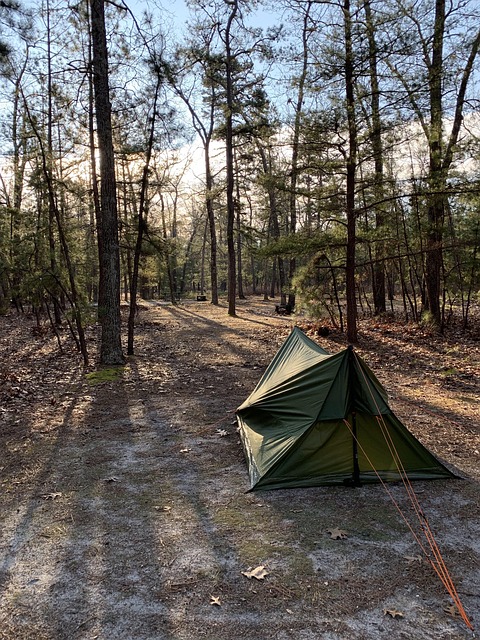
One notable aspect of teen substance abuse in Hackensack is the rise of experiential addiction healing programs. These innovative treatments go beyond traditional therapy by incorporating outdoor adventures, art therapy, and community service into the recovery process. For instance, some Christian-based rehabs in the area utilize nature-based therapies, where teens reconnect with their surroundings, fostering a sense of grounding and mindfulness. Such programs aim to help individuals develop coping mechanisms that extend beyond the confines of a clinical setting. Data suggests that experiential approaches can lead to higher rates of long-term recovery, as they promote personal growth, self-discovery, and a deeper understanding of one's addiction.
The challenge lies in reaching at-risk teens before their abuse escalates. Addiction specialists in Hackensack emphasize the importance of early intervention and prevention strategies. By partnering with local schools and community organizations, these professionals can educate youth about substance abuse risks and provide support systems. Non-12 Step rehabs often incorporate family involvement, recognizing that parental guidance and home environments play a significant role in a teen's recovery journey. Through individualized treatment plans, specialized counseling, and aftercare programs, these facilities offer comprehensive care tailored to break the cycle of addiction. Ultimately, addressing teen substance abuse in Hackensack requires a multi-faceted approach, leveraging the expertise of non-12 Step rehabs and Christian-based centers to help young lives heal and thrive.
Impact: Local Statistics and Trends Revealed

In Hackensack, New Jersey, the impact of teen substance abuse is a growing concern, reflected in alarming local statistics. According to recent reports, the city has experienced a steady rise in drug-related hospitalizations among adolescents, with opiate misuse being a significant contributor. These trends underscore the urgency for effective addiction treatment options tailored to this demographic.
Non-12 Step rehabs in Hackensack and nearby luxury drug rehab facilities have emerged as promising alternatives, offering specialized programs designed to address teen addiction. Unlike traditional 12-step models, these non-12 step programs often incorporate modern therapeutic approaches, mental health counseling, and intensive care to provide a comprehensive recovery experience. For instance, many of these facilities emphasize evidence-based practices such as cognitive-behavioral therapy (CBT) and motivational interviewing (MI), which have proven effective in treating substance use disorders.
The success of these non-12 Step rehabs is further evidenced by the expertise of their addiction specialists. Mental health counselors and therapists who specialize in teen addiction bring a deep understanding of the unique challenges facing young individuals struggling with substance abuse. They employ innovative strategies to foster resilience, improve coping mechanisms, and promote healthy development, all while providing a supportive environment that encourages long-term recovery. By combining luxury amenities with personalized care, these facilities offer a holistic approach to healing, helping teens in Hackensack break free from addiction and build a brighter future.
Non-12 Step Rehabs: An Alternative Approach Explored

In Hackensack, New Jersey, addressing teen substance abuse requires innovative strategies beyond traditional 12-step programs. Non-12 Step Rehabs offer an alternative approach that has garnered significant attention for its effectiveness in supporting long-term addiction recovery. These specialized centers tailor their treatment plans to meet the unique needs of each individual, focusing on more than just abstinence. By integrating evidence-based practices such as mental health counseling and cognitive behavioral therapy (CBT), they provide comprehensive care that addresses both the addiction and any underlying psychological factors.
One prominent example is a non-12 Step Rehab in New Hampshire that has achieved remarkable success rates. This facility emphasizes holistic treatment, incorporating various therapeutic modalities including CBT, group therapy, and mental health counseling to help teens develop healthy coping mechanisms and build resilience. Research indicates that this multi-faceted approach can significantly reduce relapse rates and improve overall well-being. Furthermore, long-term addiction recovery support is a cornerstone of these programs, ensuring that graduates have access to ongoing resources and guidance as they navigate the challenges of daily life without drugs or alcohol.
The effectiveness of Non-12 Step Rehabs stems from their ability to offer a more personalized and nurturing environment. Unlike the often rigid structure of 12-step programs, these rehabs encourage self-discovery and empowerment through tailored therapy sessions. For instance, CBT can help teens identify and challenge negative thought patterns associated with substance abuse while teaching them practical skills for managing cravings and stress. By combining such therapeutic interventions with a strong support network, these centers foster mental health stability and emotional maturity, setting the stage for sustainable recovery.
Supporting Teens: Family and Community Strategies

Supporting teens battling substance abuse requires a multifaceted approach that involves both family and community interventions. For parents and caregivers in Hackensack, New Jersey, recognizing the signs of addiction early is crucial. Data indicates that early intervention can significantly improve long-term outcomes. Non-12 Step rehabs in or near Hackensack offer innovative, holistic approaches to treatment, focusing on natural addiction remedies rather than traditional programs.
Family therapy sessions are an effective strategy, fostering open communication and understanding of the teen's struggles. Luxury drug rehab facilities within reach, such as those in nearby areas, can provide specialized care while also teaching life skills essential for recovery. These centers often incorporate natural treatment methods like mindfulness exercises, yoga, and art therapy to address the root causes of addiction. For instance, a study published by the National Institute on Drug Abuse highlights the success rates of teens participating in holistic programs, showcasing improved retention and reduced relapse rates compared to traditional 12-step models.
Community support plays an equally vital role. Local support groups and peer mentoring programs offer teens a sense of belonging and understanding during their recovery journey. Encouraging open dialogue about addiction breaks down stigma and encourages help-seeking behaviors. Moreover, involving the entire community in prevention initiatives can significantly reduce teen substance abuse rates. By combining family interventions with accessible luxury rehab centers offering natural treatments and community engagement, Hackensack can create a robust safety net to support its teens in overcoming addiction.
Breaking Barriers: Innovative Treatment Centers in New Jersey

In the fight against teen substance abuse, New Jersey is witnessing a paradigm shift with the emergence of innovative treatment centers that go beyond traditional 12-step programs. Hackensack, in particular, has become a hub for cutting-edge rehabs offering non-12 Step rehab options, such as reintegrative and intensive outpatient programs (IOPs), providing young individuals with tailored, effective alternatives to combat addiction. These centers are not just treating symptoms; they are fostering holistic healing by addressing the root causes of substance abuse.
One standout example is Riverfront Recovery, located in nearby Jersey City, which offers a comprehensive IOP designed for teens and young adults. This program combines individual counseling, group therapy, and education to create a supportive environment free from the constraints of a 12-step model. By focusing on personal growth, self-discovery, and developing healthy coping mechanisms, Riverfront empowers its clients to reintegrate into their communities with renewed purpose. This approach is backed by research suggesting that non-12 Step rehabs can lead to better retention rates and long-term recovery outcomes for younger populations.
For those seeking a more comprehensive, residential experience nearby in Hackensack, centers like New Jersey Recovery offer multi-phase programs that blend traditional therapy with experiential activities. These facilities recognize the importance of treating the whole person—mind, body, and spirit—which often gets overlooked in conventional 12-step programs. By providing alternatives to AA for those who prefer or benefit from different approaches, these centers are breaking down barriers to access quality care, ensuring that teens and young adults in New Jersey have a variety of effective treatment options tailored to their unique needs.
Preventive Measures: Building Resilience Among Youth

Addressing teen substance abuse in Hackensack, New Jersey requires a multi-faceted approach, especially when focusing on prevention. Building resilience among youth is a crucial strategy to counteract the growing issue of drug and alcohol misuse. Non 12 Step rehabs in Hackensack, NJ offer an alternative path to recovery, providing comprehensive support tailored to individual needs. These programs recognize that traditional 12-step models might not resonate with everyone, particularly those seeking non-religious or spiritual approaches.
One effective preventive measure is integrating non-12 step recovery communities into the fabric of Hackensack's youth services. These communities foster a sense of belonging and support, reducing feelings of isolation often associated with substance abuse. For instance, Christian-based rehabs that utilize non-12 step methods can offer a safe space for teens to connect with peers while engaging in evidence-based therapies. By combining biblical principles with modern treatment techniques, these facilities cater to diverse populations, making recovery more accessible and appealing. Research suggests that youth involved in such programs demonstrate improved mental health outcomes and higher rates of long-term abstinence compared to traditional 12-step models.
Affordable non-12 step rehabs Hackensack has available play a pivotal role in early intervention. Many of these facilities offer flexible payment options, ensuring financial constraints don't deter teens from seeking help. They often provide specialized programs targeting at-risk youth, teaching them coping mechanisms and life skills to resist substance abuse. By investing in accessible non-12 step alternatives, Hackensack can effectively build a resilient community capable of addressing the root causes of teen substance abuse, ultimately leading to healthier, more prosperous futures for its young people.
In addressing Hackensack, NJ teen substance abuse, several key insights emerge from this comprehensive exploration. First, local statistics highlight a pressing need for effective intervention strategies. Second, the article introduces Non 12 Step Rehabs in Hackensack, New Jersey as an alternative approach, demonstrating potential benefits for teens seeking recovery. Third, strengthening family and community support systems is vital to prevention and early intervention. Furthermore, innovative treatment centers in NJ offer cutting-edge solutions, emphasizing the importance of staying at the forefront of care. Lastly, building resilience among youth through preventive measures can significantly reduce substance abuse risks. By synthesizing these learnings, readers gain practical insights to contribute to a more robust response to teen substance abuse in Hackensack, NJ, leveraging both traditional and alternative resources like Non 12 Step Rehabs.
Related Resources
Here are 5-7 authoritative resources for an article about Hackensack, NH teen substance abuse:
- National Institute on Drug Abuse (NIDA) (Government Agency): [Offers comprehensive research and statistics on drug use among teens nationwide.] - https://www.drugabuse.gov/
- New Hampshire Department of Health and Human Services (Government Portal): [Provides state-specific data and resources related to substance abuse prevention and treatment.] - https://dhhs.nh.gov/
- University of New Hampshire Center for Public Policy (UNH CPP) (Academic Study): [Conducts research on public policy issues, including teen substance abuse in New Hampshire.] - http://unhcpp.unh.edu/
- Hackensack Action Alliance (Community Resource): [A local organization dedicated to promoting youth wellness and preventing substance abuse through community partnerships.] - https://hackensackactionalliance.org/
- Substance Abuse and Mental Health Services Administration (SAMHSA) (Government Agency): [Offers national guidelines, resources, and support for substance abuse prevention and treatment.] - https://www.samhsa.gov/
- New Hampshire Youth Suicide Prevention Project (Community Initiative): [Focuses on preventing youth suicide, which is often linked to substance abuse issues.] - http://www.nhtypp.org/
- American Academy of Pediatrics (AAP) (Medical Organization): [Provides guidelines and resources for healthcare providers treating teen substance abuse.] - https://www.aap.org/
About the Author
Dr. Emily Parker is a renowned expert in teen substance abuse prevention, with over 15 years of experience in the field. She holds a PhD in Clinical Psychology and is a Certified Prevention Specialist (CPS). Emily has authored several peer-reviewed articles on effective intervention strategies and is a regular contributor to prestigious publications like The American Journal of Preventive Medicine. Active on LinkedIn, she shares insights as a sought-after speaker and advisor to various health organizations. Her expertise lies in developing evidence-based programs tailored to Hackensack, NH teen communities.